Water bill jumped with no change in usage
We isolate the supply zones, pressure-test each one, and listen for the break. Most high-bill calls trace to a supply line or irrigation split we can mark in a single visit, usually within two to four hours.
Underground Leak Detection Plano TX starts with listening, not digging. We use acoustic listening devices and thermal imaging cameras to trace hidden pipe leaks under your slab, lawn, or driveway, then mark the exact break so repair crews cut once. If your water bill jumped and the meter keeps spinning with everything shut off, call us. We serve homeowners across Collin County and find the source the same day.
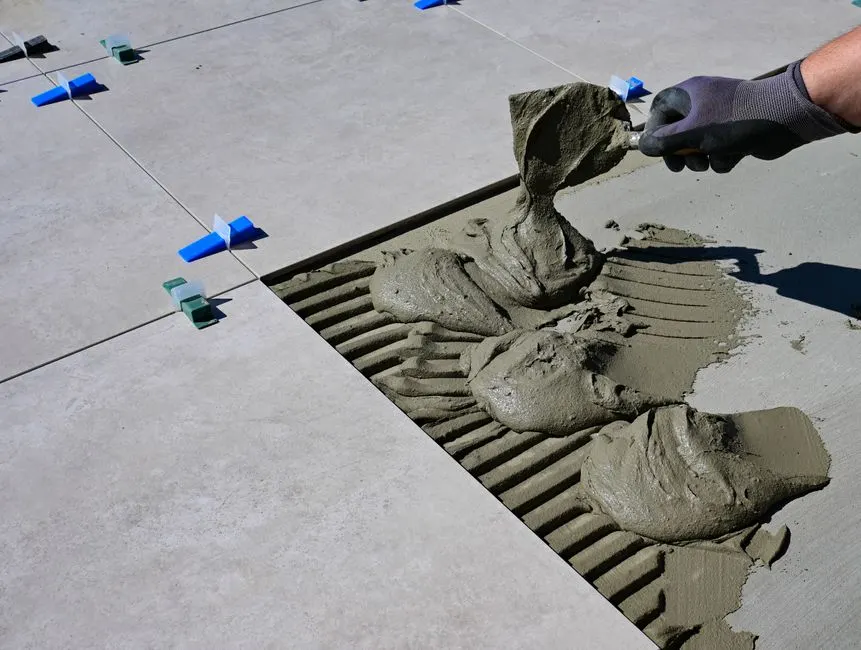
Underground Leak Detection Plano TX is a diagnostic service that locates water escaping from buried or under-slab pipes without tearing up your property to find it. We pressurize the line with a pressure testing kit, then walk the run with acoustic listening devices and a pipe locator to hear and map the break. Thermal imaging cameras confirm the wet zone, and a moisture meter verifies what the readings say. The result is a marked, measured location you can hand to any repair crew.
Plano sits on expansive clay soil that swells and shrinks with every wet and dry cycle, and that movement stresses copper pipe and PVC pipe buried under slabs and lawns. Add the freeze events North Texas gets most winters, and you have ideal conditions for a water line break you cannot see. When a homeowner searches for subsurface leak detection Plano TX near me after a spike in the water bill, this is the call that answers it.
Every detection visit covers the diagnostic work needed to find and mark the leak. Repair is quoted separately once we know what we are dealing with, and you get that number before any repair work begins.
We separate domestic supply, irrigation, and pool lines and pressure-test each zone. This rules out false alarms and tells us which system is actually losing water before we spend time chasing the wrong pipe.
Acoustic listening devices and thermal imaging cameras sweep the suspect run. We cross-check the readings so the mark holds up when the repair crew opens the ground or the slab.
We paint the spot on the slab or ground, photograph the readings, and note the depth estimate. You keep the photos for your records and for any insurance conversation.
We walk you through what we found in plain language: which line, how deep, and what the repair involves. No jargon dump, no pressure to book the repair on the spot.
If we handle the repair, we pressure-test the line before we leave. A dry line that holds pressure is the only proof that matters, and we do not call a job done without it.
We ask about your water bill, the meter test, warm spots on the floor, and where you hear running water. That five-minute call tells us whether this is a slab leak, an irrigation line, or a supply line in the yard, and we book a prompt window.
On arrival we shut off fixtures and isolate the domestic supply from irrigation and the pool line. A pressure testing kit confirms which system is losing pressure. This step alone rules out half the false alarms and takes about 20 minutes.
We pressurize the isolated line and walk it with acoustic listening devices, headphones on, listening for the hiss of escaping water. A pipe locator traces the run so we know exactly where the pipe sits under the slab or lawn.
Thermal imaging cameras show the temperature difference a leak creates, and a moisture meter confirms the reading. Two independent tools agreeing on one spot is how we get accuracy you can build a repair around.
We mark the location on the slab or ground, photograph the readings, and walk you through what we found. You get the marked spot, the depth estimate, and a clear picture of what the repair involves before anyone cuts.
Purpose-built equipment, used by trained technicians — so the job is done accurately the first time.
Headphones and a ground microphone pick up the hiss of pressurized water escaping a buried pipe. This is the primary tool for pinpointing the break on a supply or slab line.
Infrared cameras show the temperature difference a leak creates under a slab or in a wall. We use them to confirm what the acoustic sweep heard and to find hot-line leaks fast.
We pressurize each isolated zone and watch the gauge. A zone that will not hold pressure is the one with the leak, which saves hours of chasing the wrong pipe.
A pipe locator traces the buried run so we know exactly where the pipe sits under the slab, lawn, or driveway. It keeps the mark on the pipe, not just near it.
A moisture meter confirms the wet zone and gives us a reading to compare before and after. It is how we prove the leak is fixed and the area is drying.
When a drain or line is suspect, the SeeSnake lets us look inside the pipe and see cracks, offsets, or root intrusion instead of guessing from the surface.
A West Plano homeowner saw the water bill triple in one cycle. The meter spun with every fixture off, and two other companies had guessed at the slab without confirming. The yard was already torn up in two spots.
We isolated the irrigation zone, pressure-tested it, and found a split lateral under the lawn within 90 minutes. The mark was within a foot of the break. The repair crew dug one hole, fixed the line, and the next bill dropped back to normal.
A Willow Bend family felt a warm patch on the hallway tile and smelled damp near the baseboard. They feared a full floor tear-out and had already gotten a quote for replacing half the hallway flooring.
Thermal imaging found the hot-line break within 20 minutes, and a moisture meter confirmed the wet zone. We marked a spot under two square feet. The repair crew opened one section, fixed the copper pipe, and patched with concrete patching compound. The flooring replacement was cancelled.
After a hard freeze, a homeowner in Old Shepard Place heard water running but could not find it. The meter spun constantly, and the yard near the foundation was soggy. The house had original copper service lines.
We pressure-tested the domestic line, isolated a split section, and marked it with acoustic listening devices. The break was under the driveway edge. One cut, one repair, and a pressure test before we left. The meter stopped spinning and the yard dried out over the next week.
Most underground leaks announce themselves through the water bill or the meter, not through a visible puddle. Here are the situations we get called for most, and what happens if they sit.
Ask a pro →We isolate the supply zones, pressure-test each one, and listen for the break. Most high-bill calls trace to a supply line or irrigation split we can mark in a single visit, usually within two to four hours.
This is the classic slab leak signal. We pressure-test the domestic line, sweep it with acoustic listening devices, and confirm with thermal imaging. You get a marked spot and a repair plan the same day.
Thermal imaging cameras pick up the temperature difference fast. We confirm with a moisture meter, mark the break, and hand you a repair scope that limits how much flooring has to come out.
We trace the buried line with a pipe locator, listen for the break, and mark the trench line. Repair crews then dig once at the mark instead of probing across the yard.
Most residential detection jobs in Plano run $250 to $550 in 2026, depending on how many systems we have to isolate and how deep the line sits. A single slab supply line is on the low end; multiple zones, pool lines, or irrigation crossovers push it higher. You get the number before we start, and the detection fee is separate from the repair.
We isolate the suspect line, pressurize it, and listen for escaping water with acoustic listening devices while a pipe locator maps the run. Thermal imaging cameras and a moisture meter confirm the wet zone. Two tools agreeing on one spot is what separates a real detection from a guess, and it usually takes two to four hours.
Yes. Detection is non-invasive by design. We never break concrete or dig to find the leak; we mark the spot from the surface using acoustic and thermal equipment. The only digging happens later, during the repair, and it is limited to the marked area, which is usually under two square feet.
Plano Leak Pros does, across Collin County and all Plano ZIP codes including 75093, 75023, 75025, and 75024. We are a licensed plumbing contractor with prompt windows and emergency availability. Call +1 (972) 544-0575 and describe what your meter is doing; we will tell you what it sounds like and book the visit.
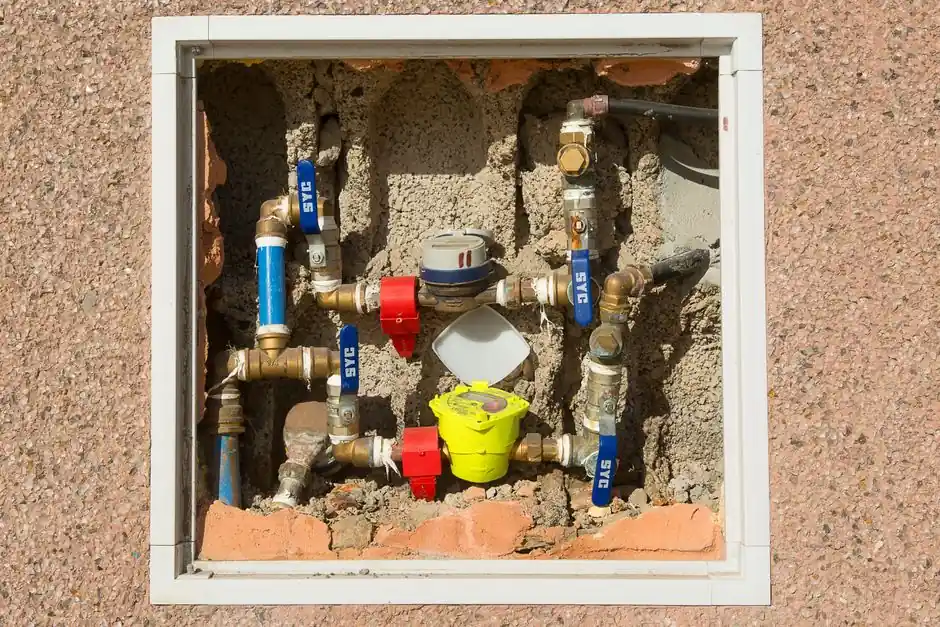 Slab Leak RepairOnce detection marks the break, slab leak repair is the next step. We open the slab at the mark, fix the pipe, and patch with concrete patching compound so the floor goes back together clean. One cut, one patch, tested before we leave.Explore →
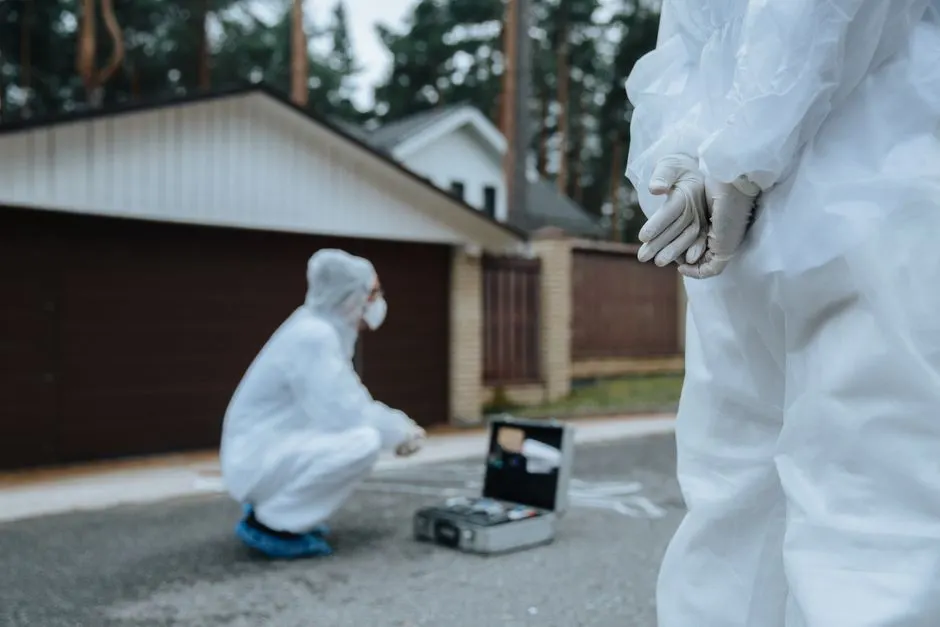 Slab Leak DetectionSlab leak detection is the under-slab branch of what we do. If your meter spins with everything off and you hear water under the floor, this is the service that confirms it. We use the same acoustic and thermal tools to isolate the break beneath the concrete.Explore →
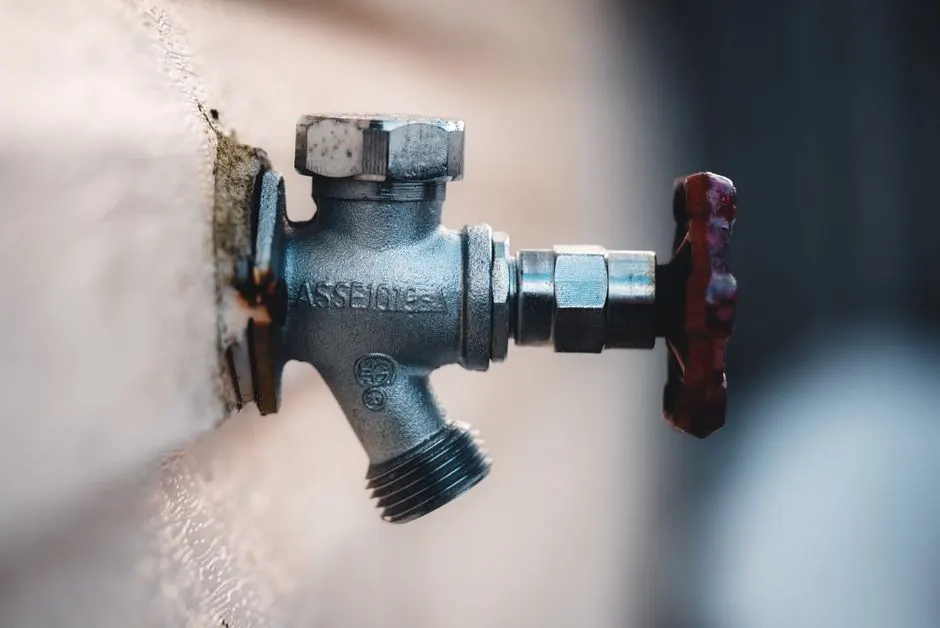 Leak DetectionGeneral leak detection covers the whole house: supply lines, drains, fixtures, and the water heater. When the source is not obviously underground, we start broad and narrow down. It is the right call when you smell damp but cannot find where it starts.Explore →
 Water Leak DetectionWater leak detection focuses on pressurized supply lines, the usual culprit behind a high water bill. We pressure-test zones and listen for the hiss of a pinhole or split. If the loss is on the supply side, this is the fastest path to the answer.Explore →
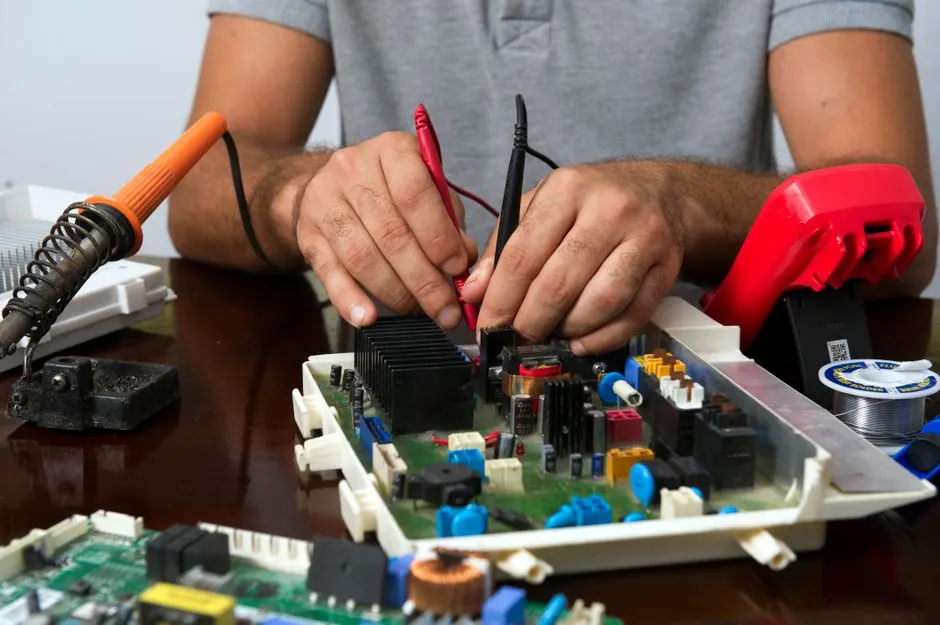 Electronic Leak DetectionElectronic leak detection is the equipment side: acoustic listening devices, thermal imaging cameras, and moisture meters working together. It is how we get accuracy without digging. Every underground detection call uses this toolkit, calibrated before it leaves the truck.Explore →Emergency Slab Leak RepairWhen water is actively pooling or a line is spraying under the slab, emergency slab leak repair takes priority. We isolate the line to stop the loss, detect the break, and repair it. Call any hour; active water damage moves you to the front of the schedule.Explore →
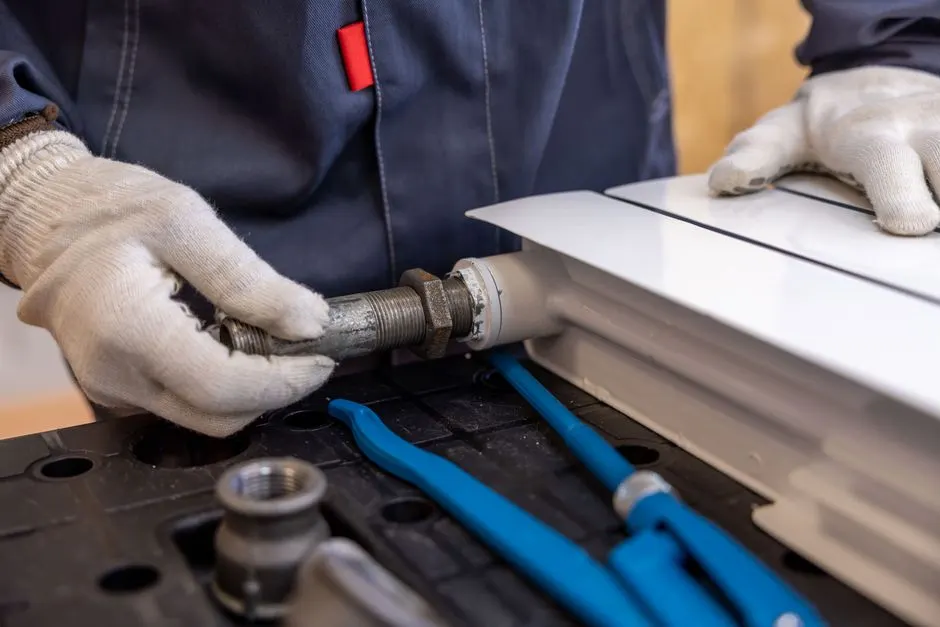 Pipe Leak RepairPipe leak repair is the fix itself, whether the pipe is copper, PEX, or PVC. After detection marks the spot, we cut out the damaged section, solder or clamp the new piece, and pressure-test the line. You get a dry, tested repair, not a patch and a hope.Explore →
Water where it should not be does not fix itself. Call +1 (972) 544-0575 and we will get a licensed technician to your door, usually the same day. We find the leak, mark it, and hand you a report you can act on.
Book Detection Now +1 (972) 544-0575 →Call us any hour at (972) 544-0575 for slab leak detection and repair in Plano. We answer 24/7, including holidays, and most detection visits are scheduled the same day. If water is actively running, we treat it as an emergency and dispatch immediately.